مشروع قانون الموازنة في نظر النائب خليفة الديات
راصد الإخباري -
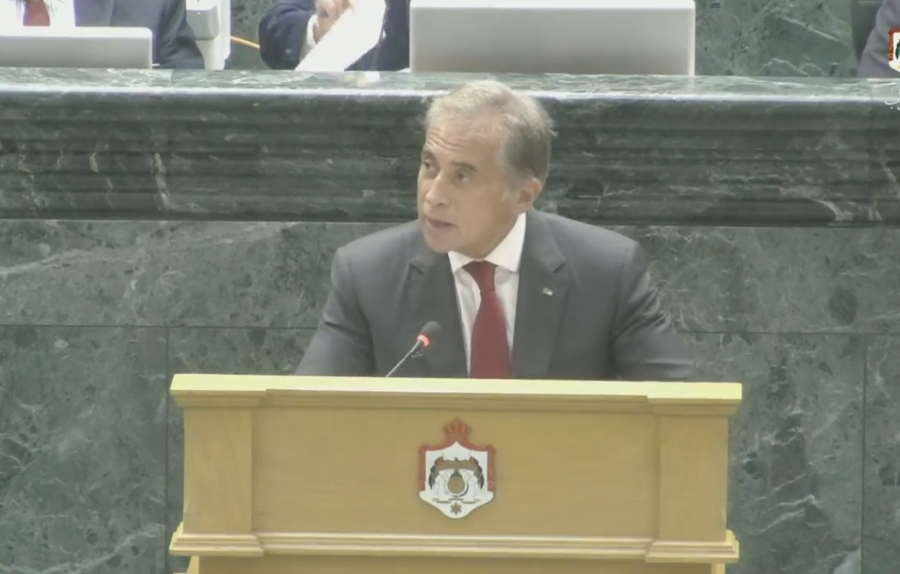
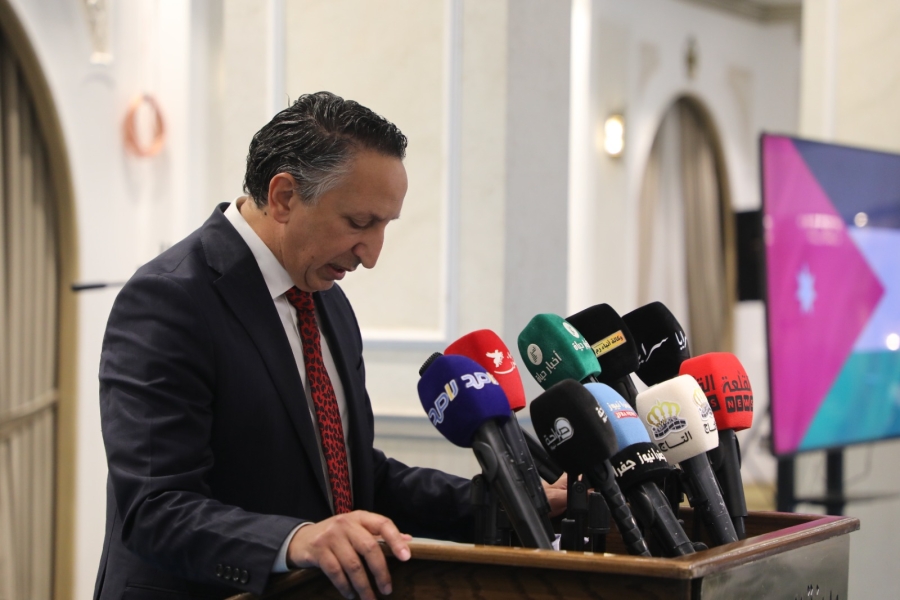
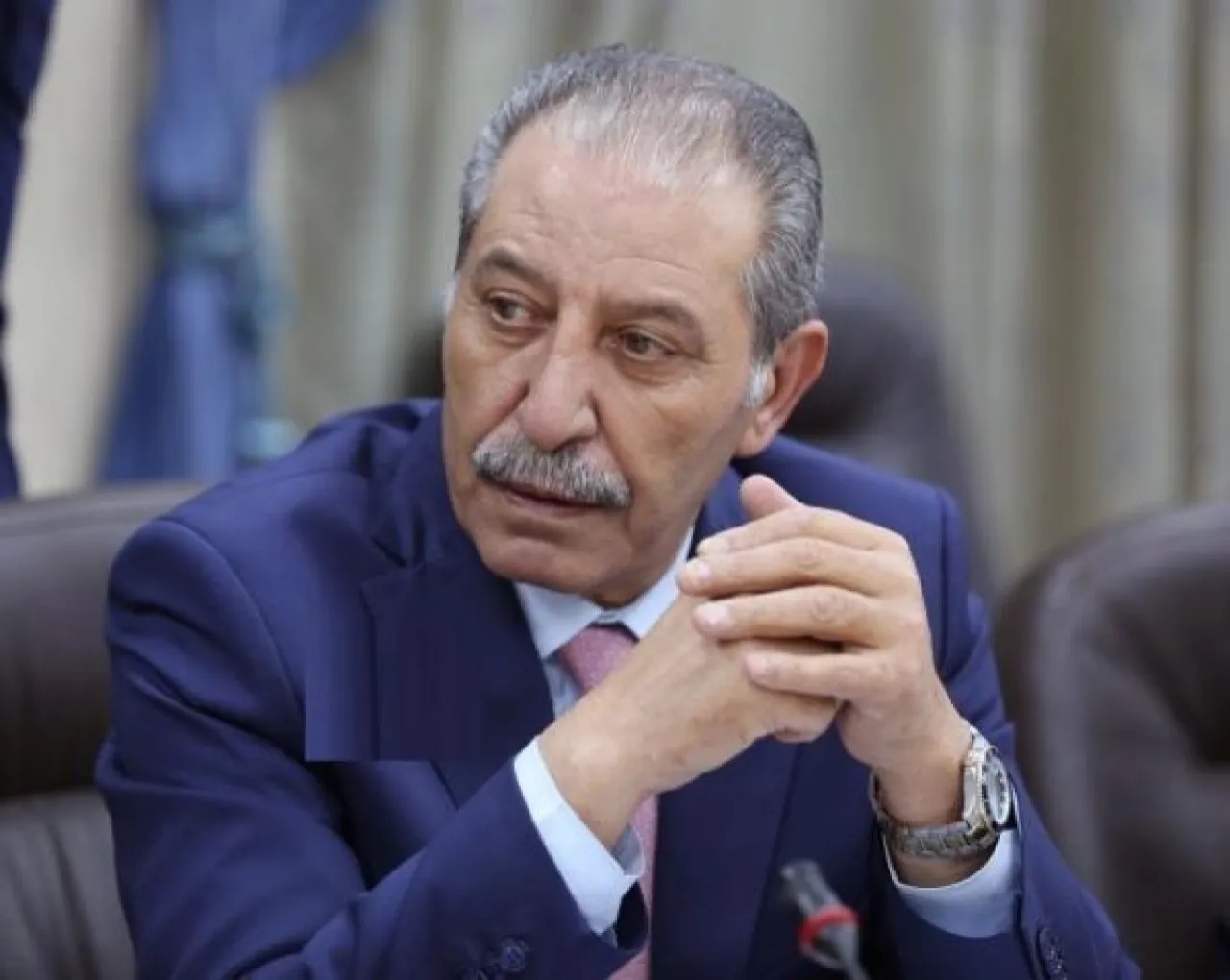
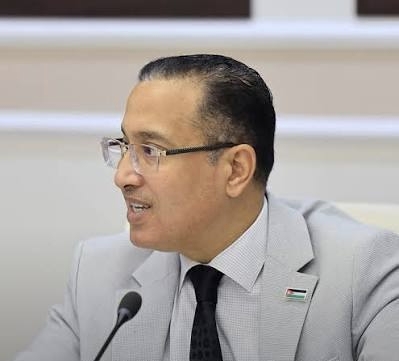
أكد النائب خليفة الديات أن مشروع قانون الموازنة العامة لعام 2027 ليس مجرد أرقام وإيرادات ونفقات، بل تعبير عن أولويات الدولة ومدى قدرتها على تحسين حياة المواطنين وتحقيق العدالة في توزيع مكتسبات التنمية، مشيراً إلى أن تقديرات الموازنة تتضمن إيرادات تبلغ نحو 11.709 مليار دينار ونفقات تصل إلى 13.735 مليار دينار بعجز يقدر بنحو 2.026 مليار دينار، فيما تبلغ النفقات الرأسمالية نحو 1.710 مليار دينار.
وطرح الديات خلال مناقشة الموازنة أمام مجلس النواب ثلاثة أسئلة جوهرية على الحكومة، أولها كيف ستعالج العجز والمديونية دون تحميل المواطنين أعباء ضريبية ومالية إضافية وبما يحمي الطبقة الوسطى ومحدودي الدخل، وثانيها كيف ستضمن تنفيذ المشاريع الرأسمالية وعدم ترحيلها من عام إلى آخر، مؤكداً أن المطلوب ليس مخصصات على الورق بل مشاريع منجزة يشعر المواطن بأثرها في حياته اليومية، وثالثها كيف ستضمن عدالة توزيع المشاريع والخدمات بين المحافظات والألوية وفق معايير تراعي الفقر والبطالة وعدد السكان والاحتياجات الفعلية.
وشدد النائب على أن المواطن في دير علا والأغوار والبلقاء وفي كل قرية وبلدة أردنية لا ينبغي أن يكون نصيبه من التنمية أقل من غيره، موضحاً أن المطالبة ليست بامتيازات بل بحقوق عادلة وبأن تصل التنمية إلى حيث توجد الحاجة.
وطالب الديات بإعطاء الزراعة والمياه أولوية حقيقية، ودعم المزارعين، وتطوير شبكات الري، والحد من فاقد المياه، وتعزيز الأمن الغذائي، إلى جانب تحسين الخدمات الصحية والتعليمية، وتوفير فرص العمل للشباب، وتمكين البلديات من القيام بدورها التنموي والاستثماري.
وأكد أن نجاح الموازنة لا يقاس فقط بقدرة الحكومة على ضبط النفقات، بل بقدرتها على خلق فرص العمل وتحفيز الإنتاج وتحسين الخدمات وتحقيق العدالة الاجتماعية، داعياً الحكومة إلى تقديم بيانات واضحة حول المشاريع الرأسمالية في كل محافظة ونسب تنفيذها والمشاريع المتعثرة والنتائج الفعلية التي سيجنيها المواطن من هذه المخصصات.
واختتم الديات بالقول إن المطلوب موازنة لا تكتفي بإدارة العجز بل تدير التنمية، ولا تكتفي بتوزيع الأرقام بل تحقق الإنجاز، وأن يشعر المواطن بأثر الموازنة في قريته وبلدته ولوائه ومحافظته، في مدرسته ومركزه الصحي وطريقه ومصدر رزقه، مؤكداً أن التنمية العادلة ليست منّة من الحكومة وإنما حق لكل مواطن أردني أينما كان.
MP Khalifa Al-Diyat affirmed that the 2027 General Budget Law is not merely figures, revenues, and expenditures, but an expression of the state's priorities and its ability to improve citizens' lives and achieve justice in distributing the gains of development. He noted that budget estimates include revenues of about JD 11.709 billion and expenditures of about JD 13.735 billion, with an estimated deficit of about JD 2.026 billion, while capital expenditures amount to about JD 1.710 billion.
During the budget debate in the House of Representatives, Al-Diyat posed three fundamental questions to the government: first, how it will address the deficit and indebtedness without imposing additional tax and financial burdens on citizens while protecting the middle class and limited-income groups; second, how it will ensure the implementation of capital projects and prevent their postponement from one year to another, stressing that what is needed is not allocations on paper but completed projects whose impact citizens feel in their daily lives; and third, how it will ensure fair distribution of projects and services among governorates and districts according to criteria that take into account poverty, unemployment, population size, and actual needs.
The MP stressed that citizens in Deir Alla, the Jordan Valley, and Balqa, and in every Jordanian village and town, should not receive a smaller share of development than others, explaining that the demand is not for privileges but for fair rights and for development to reach where the need exists.
Al-Diyat called for giving agriculture and water a real priority, supporting farmers, developing irrigation networks, reducing water loss, and enhancing food security, alongside improving health and education services, creating job opportunities for youth, and enabling municipalities to carry out their developmental and investment role.
He affirmed that the success of the budget is measured not only by the government's ability to control expenditures, but by its ability to create jobs, stimulate production, improve services, and achieve social justice, urging the government to provide clear data on capital projects in each governorate, their implementation rates, stalled projects, and the actual results citizens will gain from these allocations.
Al-Diyat concluded by saying that what is required is a budget that does not merely manage the deficit but manages development, and does not merely distribute figures but achieves accomplishment, so that citizens feel the impact of the budget in their village, town, district, and governorate, in their school, health center, road, and source of livelihood, affirming that fair development is not a favor from the government but a right for every Jordanian citizen wherever they may be.