الحوار الوطني للتعريف بشبكة "تواصل": تعزيز الاستجابة المحلية للأزمات ضمن أجندة المرأة والسلام والأمن
راصد الإخباري -
عقدت النهضة العربية للديمقراطية والتنمية (أرض)، بالشراكة مع هيئة الأمم المتحدة للمرأة، حوارًا وطنيًا بتاريخ 7 نيسان/أبريل 2026 في فندق لاندمارك عمّان، وذلك بمناسبة مرور 25 عامًا على أجندة المرأة والسلام والأمن، وبهدف توفير منصة للتأمل في المقاربات المحلية للاستجابة للأزمات وتعزيز التماسك الاجتماعي في الأردن.
وجمع الحوار ممثلين عن منظمات المجتمع المدني التي تقودها النساء والشباب من محافظات الجنوب وعدد من المحافظات الوسطى، إلى جانب مؤسسات حكومية، ووكالات أممية، ومنظمات دولية، وجهات بحثية. وركزت النقاشات على ربط الخبرات المحلية بالأطر الوطنية، وتعزيز التنسيق والجاهزية بطرق شاملة ومستجيبة لاحتياجات المجتمعات المحلية.
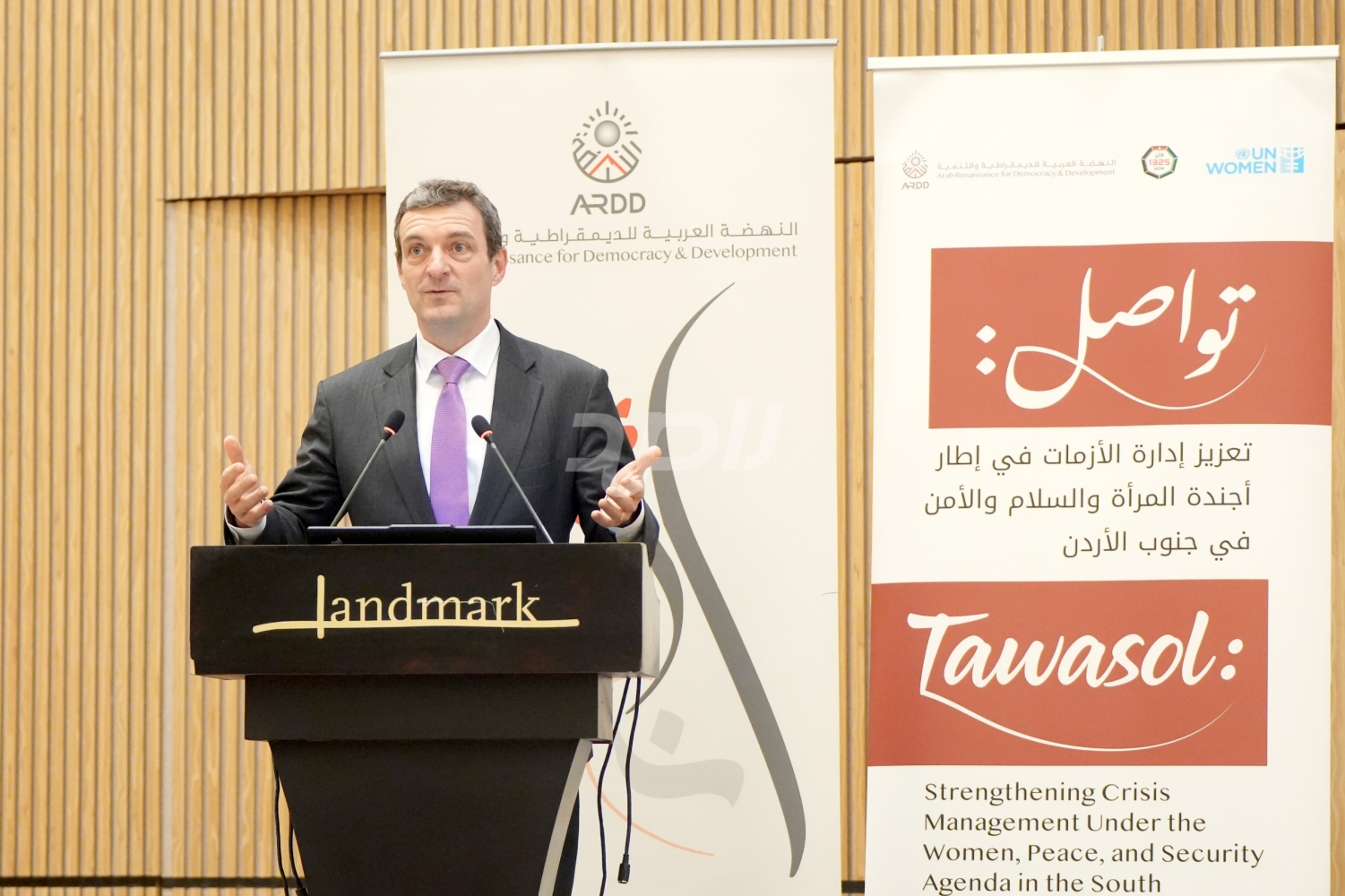
استُهلت الفعالية بكلمات افتتاحية ألقاها السيد نيكولا برنيات، ممثل هيئة الأمم المتحدة للمرأة في الأردن، والدكتورة حنان الخريسات، رئيسة جمعية الطفيلة الخيرية النسائية وممثلة شبكة تواصل، حيث أكدا على استمرار أهمية أجندة المرأة والأمن والسلام، وضرورة دعم المبادرات المنطلقة من الواقع المحلي.
من جانبه أشار بارنيت "تُعد النساء والشباب والأشخاص ذوو الإعاقة والمجتمعات المحلية عناصر أساسية في الإدارة الفاعلة للأزمات. فارتباطهم الوثيق بالمجتمعات، بما في ذلك المناطق النائية، وفهمهم العميق للاحتياجات والموارد والأولويات المحلية، يجعل إشراكهم ضرورة وليس مجرد تمثيل. إن مشاركتهم أساسية لدعم عمل المؤسسات الرسمية والمساهمة في بناء منظومة متكاملة وشاملة لإدارة الأزمات تضمن عدم ترك أحد خلف الركب."
ووصفت الدكتورة حنان الخريسات الفعالية بأنها تعريف بالشبكة ودعوة للعمل في آنٍ واحد، مؤكدة أن مشاركة النساء أمر محوري لتعزيز السلام، لا سيما في سياقات الأزمات، انسجامًا مع التزامات الأردن بموجب قرار مجلس الأمن 1325. وأشارت إلى أن النجاح يجب أن يُقاس بمدى الوصول إلى الفئات الأكثر هشاشة وتهميشًا، باعتبار ذلك أساسًا لتحقيق العدالة. كما استعرضت دور شبكة تواصل كمنصة لتبادل المعرفة والخبرات وبناء القدرات، وتعزيز الشراكات القادرة على إحداث أثر مستدام طويل الأمد.
وقدمت المهندسة زينب الخليل، مديرة البرامج في النهضة (أرض)، عرضًا تعريفيًا حول شبكة تواصل، موضحة دورها كمنصة تعاونية تدعم مشاركة النساء في الوقاية من الأزمات والاستعداد لها والاستجابة لها ضمن إطار المرأة والسلام والأمن في الأردن. فاستنادًا إلى العمل السابق في جنوب الأردن، قامت النهضة (أرض) وهيئة الأمم المتحدة للمرأة في الأردن بتوسيع المبادرة عام 2025 لتتوافق مع تنفيذ الخطة الوطنية الأردنية الثانية لتطبيق قرار مجلس الأمن 1325. وتسعى الشبكة في مرحلتها الحالية إلى تعزيز التنسيق بين المنظمات المحلية والعمليات الوطنية، ودعم نهج أكثر شمولًا واستنادًا إلى المعرفة المحلية في إدارة الأزمات.
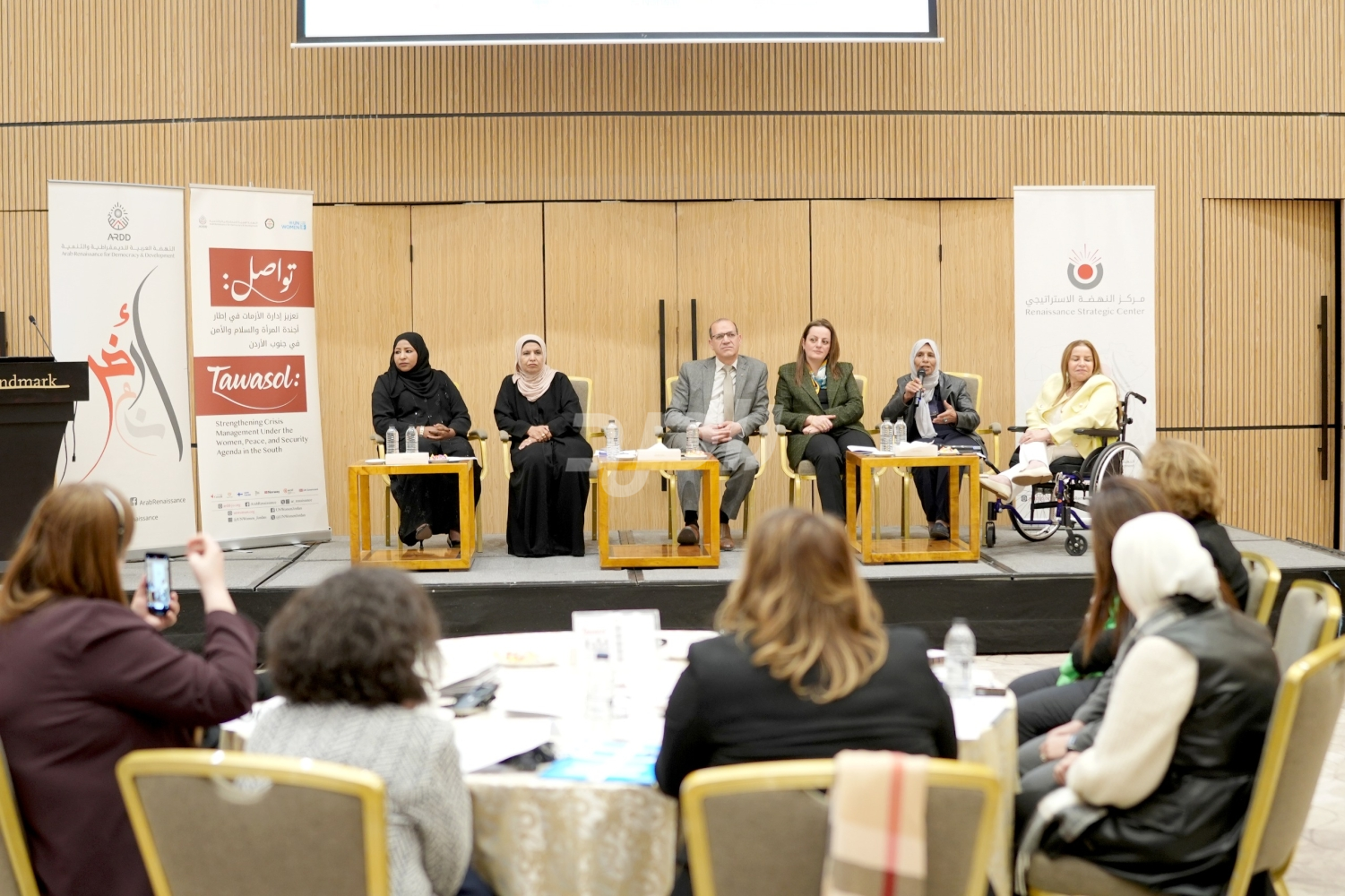
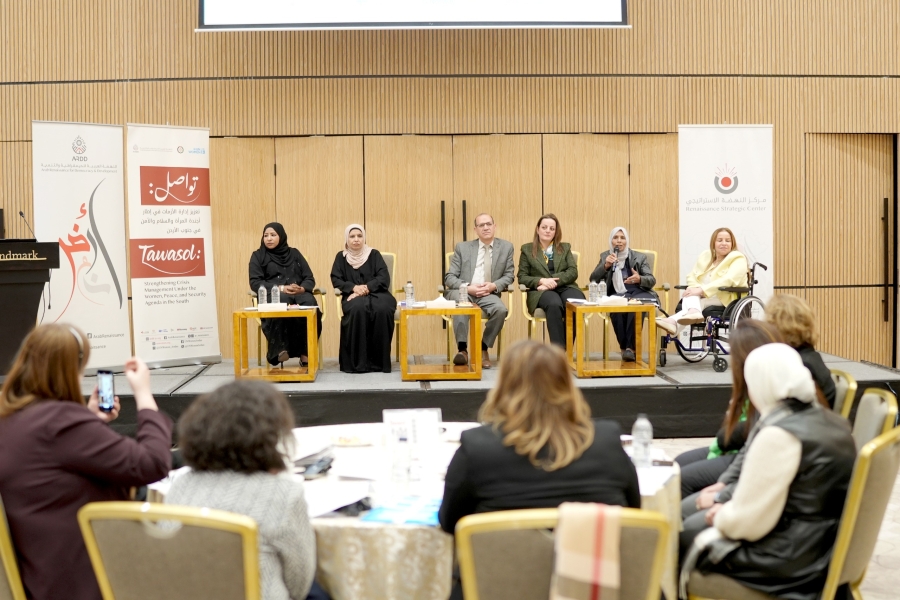
ركزت الجلسة الحوارية الأولى، التي أدارتها سعادة السيدة آسيا ياغي، عضو مجلس الأعيان وممثلة شبكة نساء النهضة، على تجارب محافظات الجنوب. وشارك فيها الدكتور عزام الشمايلة من جمعية الشهابية الخيرية في الكرك، والدكتورة عايدة خطاب من لجان المرأة لمحافظة معان والمنتدى الوطني الأردني للمرأة، والسيدة عبلة الحجايا من جمعية الحسا الخيرية في الطفيلة، والسيدة قطنة الحويطات من جمعية نساء القرى في الديسي، والسيدة إيمان حوراني، أخصائية برنامج المرأة والسلام والأمن في هيئة الأمم المتحدة للمرأة. واستعرض المشاركون إسهامات المنظمات النسائية في الاستجابة للأزمات وتعزيز التماسك الاجتماعي في مجتمعاتهم المحلية.
وأكدت السيدة إيمان حوراني: "يمثل إطلاق هذا الحوار الوطني خطوة استراتيجية نحو إرساء إدارة شاملة للأزمات في الأردن، تستند إلى شراكات قوية بين الحكومة والمجتمع المدني. ومن خلال استثمارنا في تعزيز الشبكات المحلية مثل تواصل، نُمكّن النساء والمنظمات المجتمعية من أداء دور محوري في بناء مجتمعات أكثر قدرة على الصمود والاستعداد."
وأشارت الدكتورة عايدة خطاب إلى أن الأزمات لا تقتصر على جنوب الأردن، إذ تواجه عمّان أيضًا تحديات البطالة وشح المياه وتغير المناخ والضغوط المتزايدة على المجتمعات. وأشادت بتفاني القيادات المحلية، مؤكدة الحاجة إلى مزيد من الاعتراف بجهودهم وتوفير الموارد اللازمة لتعزيز أثرهم، كما أثنت على دور المؤسسات الوطنية مثل النهضة (أرض) في دعم القيادة المحلية، ودعت إلى التحول نحو إدارة استباقية للأزمات.
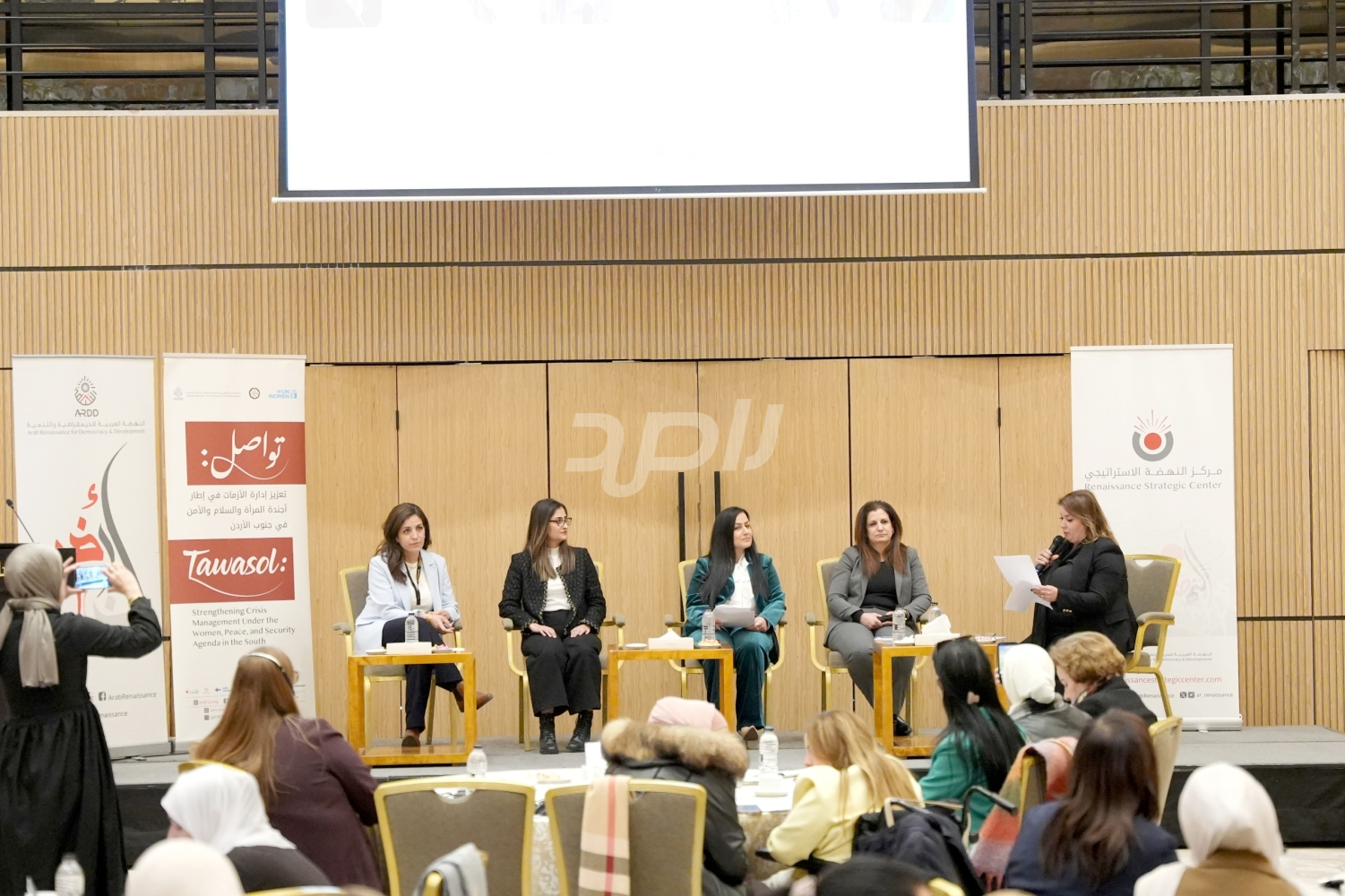
أما الجلسة الثانية، التي أدارتها سعادة ربا مطارنة من التجمع الوطني الأردني للجان المرأة وممثلة التحالف الوطني الأردني للمنظمات غير الحكومية (جوناف)، فقد تناولت الشراكات بين المجتمع المدني والحكومة والجهات الدولية. وشارك فيها السيدة بثينة العجلوني، مديرة مديرية تمكين المرأة في وزارة التنمية الاجتماعية، والسيدة هدى عايش من اللجنة الوطنية الأردنية لشؤون المرأة، والسيد عبد العزيز خالد الزبن من وزارة الداخلية، والسيدة إباء حامد من المجلس الأعلى لحقوق الأشخاص ذوي الإعاقة، والسيدة مجد سليمان من لجنة الإنقاذ الدولية. وركزت النقاشات على تعزيز التنسيق، وتقوية الروابط المؤسسية، ودعم الشراكة المستدامة بين مختلف الأطراف.
ومن جانبها أكدت العجلوني دعم الوزارة لتنفيذ قرار مجلس الأمن 1325 من خلال تعزيز الحماية القانونية، وتوفير الملاجئ، وبرامج تدريب النساء على القيادة وإدارة الأزمات. كما شددت على الدور الحيوي لمنظمات المجتمع المدني والجمعيات الخيرية كشركاء مجتمعيين، مشيرة إلى المبادرات المشتركة والمنح التي تدعم أجندة المرأة والسلام والأمن. كما أكدت أهمية الشراكات والشبكات الاجتماعية في تحقيق أثر مستدام من خلال مشروع جديد للتماسك الاجتماعي في مختلف أنحاء الأردن.
وتضمن الحوار أيضًا جلسة لتبادل المعرفة قدمتها السيدة لين مسعود، الباحثة في مركز النهضة الاستراتيجي التابع لـ النهضة (أرض)، عرضت خلالها نتائج موجز سياسات حول التماسك الاجتماعي في جنوب الأردن. وسلطت الجلسة الضوء على دور المقاربات المجتمعية في تعزيز الصمود، مع تحديد المجالات التي تتطلب مزيدًا من الدعم والتنسيق.
وقالت مسعود أنه في الحين الذي تُعد المنظمات المجتمعية التي تقودها النساء عنصرًا أساسيًا في تعزيز التماسك الاجتماعي، فإن سد فجوات التمويل وبناء القدرات، خاصة في جنوب الأردن، أمر بالغ الأهمية. إن الاستثمار في هذه المنظمات ومواءمة السياسات مع الممارسات هو المفتاح لبناء القدرة على الصمود وبناء أنظمة استجابة شاملة للأزمات."
واختُتمت الفعالية بنقاش حول الخطوات المقبلة لشبكة تواصل، بما يشمل هيكليتها واستدامتها ودورها ضمن الجهود الأوسع للمرأة والسلام والأمن في الأردن. وأكد المشاركون أهمية استمرار الحوار، وتعزيز المشاركة الشاملة، والحفاظ على الانخراط المستدام على مختلف المستويات.
ويأتي هذا الحوار ضمن مبادرة "تواصل – تعزيز إدارة الأزمات"، التي تنفذها النهضة (أرض) ضمن برنامج وصول المرأة إلى العدالة، بالشراكة مع هيئة الأمم المتحدة للمرأة، وبدعم من الصندوق المشترك للخطة الوطنية الأردنية لتطبيق القرار 1325.
National Dialogue Introduces the Tawasol Network: Advancing Local Crisis Response under WPS
The Arab Renaissance for Democracy and Development (ARDD), in partnership with UN Women, convened a national dialogue on April 7, 2026, at the Landmark Amman Hotel, marking 25 years of the Women, Peace and Security (WPS) agenda and providing a platform to reflect on local approaches to crisis response and social cohesion in Jordan.
The dialogue brought together representatives of women- and youth-led civil society organizations from southern and selected central governorates, alongside government institutions, UN agencies, international organizations, and research actors. Discussions focused on connecting local experiences with national frameworks, while strengthening coordination and preparedness in inclusive and community-responsive ways.
Opening remarks were delivered by Mr. Nicolas Burniat, UN Women Country Representative, and Dr. Hanan Alkhrissat, Head of Tafila Women’s Charitable Association and representative of the Tawasol Network, who reflected on the continued relevance of the WPS agenda and the importance of supporting locally grounded initiatives.
Burniat stated, "Women, youth, persons with disabilities, and local communities are indispensable to effective crisis management. Their close connection to communities, including in remote areas, and their deep understanding of local needs, resources, and priorities make their inclusion a matter of necessity, not representation. Their engagement is critical to support the work of official institutions and contribute to an integrated, inclusive crisis management system that ensures no one is left behind.”
Dr. Hanan Alkhrissat described the event as both a launch and a call to action, reaffirming that women’s participation is vital for advancing peace, particularly in crisis contexts, in line with Jordan’s commitments under UNSCR 1325. She stressed that success should be measured by the ability to reach the most vulnerable and marginalized communities, as this is fundamental to justice. She also highlighted the Tawasol Network as a platform for sharing knowledge, experience, and capacity, while promoting partnerships that generate sustainable, long-term impact.
The Tawasol Network was introduced by Eng. Zainab Alkhalil, Programs Manager at ARDD, outlined its role as a collaborative platform supporting women’s engagement in crisis prevention, preparedness, and response within Jordan’s WPS framework. Building on earlier work in southern Jordan, ARDD and UN Women Jordan expanded the initiative in 2025 to align with the implementation of the Second Jordanian National Action Plan for UNSCR 1325 (JONAP II). In its current phase, Tawasol seeks to strengthen coordination between local organizations and national processes while promoting more inclusive and locally informed crisis management approaches.
The first panel discussion, moderated by H.E. Ms. Asia Yaghi, Member of the Jordanian Senate and representative of Al Nahda Women Network, focused on experiences from southern Jordan. Contributions were shared by Dr. Azzam AlShamayla of Al-Shehabiyya Charitable Association in Karak, Dr. Aida Khattab of the Women’s Committees for Ma’an Governorate and the Jordanian National Forum for Women, Ms. Abla Alhajaya of Al-Hessa Charitable Association in Tafila, Ms. Qutna Alhwetat of Women of the Villages in Al-Disi Association, and Ms. Eman AlHourani, Women, Peace and Security Programme Specialist at UN Women. Together, they reflected on how women-led organizations have contributed to crisis response and social cohesion in their communities.
AlHourani emphasized: "The launch of this national dialogue marks a strategic step toward institutionalizing inclusive crisis management in Jordan, grounded in strong partnerships between government and civil society. Through our investment in strengthening local networks such as Tawasol, we are enabling women and community-based organizations to play a central role in building resilient and prepared communities.”
Dr. Aida Khattab noted that crises extend beyond Southern Jordan, with Amman also facing unemployment, water scarcity, climate change, and growing pressures on communities. She praised the dedication of local leaders, stressing the need for greater recognition and resources to strengthen their impact. She also commended national organizations such as ARDD for supporting local leadership and called for a shift toward proactive crisis management.
The second panel, moderated by H.E. Ms. Ruba Matarneh of the Jordanian National Forum for Women and representative of the Jordan National NGO Forum (JONAF), explored partnerships between civil society, government, and international actors. Participants included Ms. Buthaina AlAjlouny, Director of the Women’s Empowerment Directorate at the Ministry of Social Development; Ms. Huda Aeish from the Jordanian National Commission for Women; Mr. Abdulaziz Khalid Alzibn from the Ministry of Interior; Ms. Ebaa Hamed from the Higher Council for the Rights of Persons with Disabilities; and Ms. Majd Suleiman from the International Rescue Committee. Discussions focused on enhancing coordination, strengthening institutional linkages, and supporting sustained engagement between stakeholders.
AlAjlouny highlighted the Ministry’s support for implementing UNSCR 1325 through stronger legal protections, shelters, and leadership training for women in crisis management. She emphasized the vital role of civil society and charitable organizations as community partners, noting joint initiatives and grants that advance the WPS agenda. Looking ahead, she underscored the importance of partnerships and social networks in delivering sustainable impact through a new social cohesion project across Jordan.
The dialogue also included a knowledge-sharing session led by Ms. Leen Masoud, Research Officer at ARDD’s Renaissance Strategic Center, who presented findings from a recent policy brief on social cohesion in southern Jordan. The session highlighted how community-based approaches contribute to resilience while identifying areas where further support and coordination are needed.
Ms. Masoud noted: "Women-led CBOs are essential to strengthening social cohesion, but closing funding and capacity gaps, especially in South Jordan, is critical. Investing in these organizations and aligning policy with practice is key to building resilience and inclusive crisis response systems.”
The event concluded with a discussion on next steps for the Tawasol Network, including its structure, sustainability, and role within broader WPS efforts in Jordan. Participants emphasized the importance of continued dialogue, inclusive participation, and sustained engagement across all levels.
This dialogue is part of the "Tawasol – Strengthening Crisis Management” initiative, implemented by ARDD under the Women’s Access to Justice Program, in partnership with UN Women, and supported through the JONAP Pooled Fund.